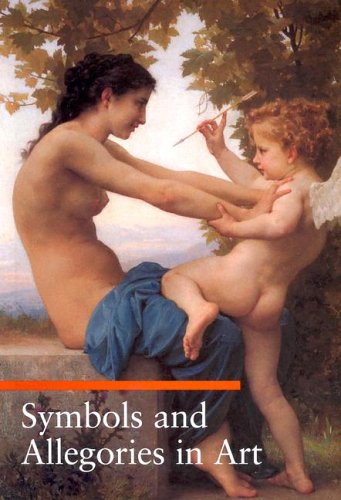
In the margin, for quick access by the reader, is a summary of the essential characteristics of the symbol in question, the derivation of its name, and the religious tradition from which it springs.


In the margin, for quick access by the reader, is a summary of the essential characteristics of the symbol in question, the derivation of its name, and the religious tradition from which it springs.
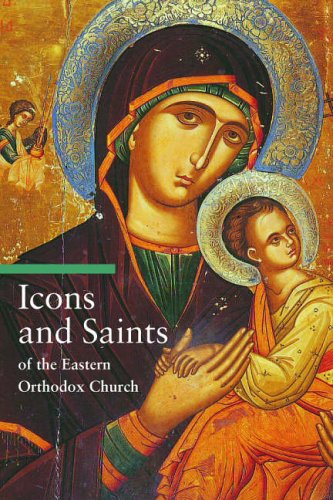
Catalogues the heritage of images according to type and subject, from the ancient at the Monastery of Saint Catherine in the Sinai to those from Greece, Constantinople, and Russia. This book includes chapters such as role of icons in the Orthodox liturgy and on common iconic subjects, including the fathers and saints of the Eastern Church.
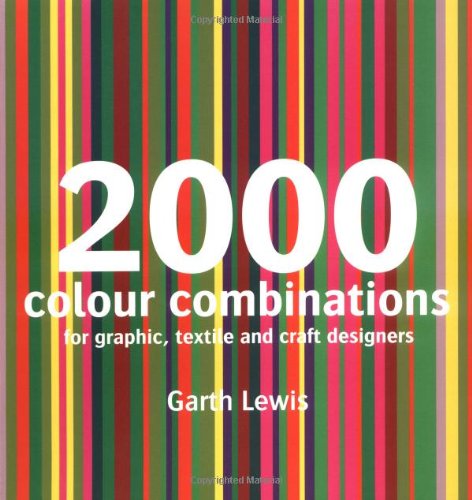
Offers a resource for various designers looking for guidance on colour combinations. This book provides 2000 colour combinations with their RGB readings (for web designers) and also the CMYK readings (for designers working in print). It explains how you can use these readings to create real pigmented paint for those working in textiles.
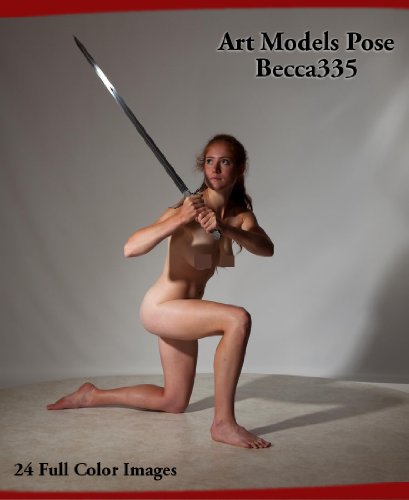
Becca335 is an Artistic Nude Figure Pose photographed in color (a color display is highly recommended). One photo was taken every 15 degrees as we rotated the model through a full 360-degree surround view. The pose is intended for artists, illustrators, animators or anyone who needs a high quality figure reference. With it, you can practice drawing or painting and improve your skills. Or, you can create finished works of art that you can sell. All poses are photographed in rotation and at high resolution. This particular pose, of the natural redheaded model Becca, is one complete pose from our large collection at posespace.com
Covers over 150 years of international design, including ceramics, furniture, graphics, industrial design, interiors, and fashion, as well as biographical entries on designers, manufacturers, major museums and heritage sites. This dictionary serves as a useful student reference tool.
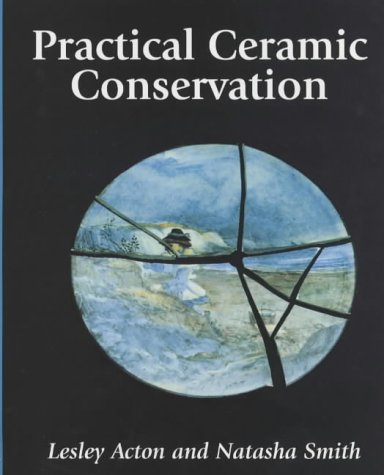
Written by two leading conservators, this title explains the various stages of the conservation process. Step-by-step instructions and examples show how staining may be removed, cracks stabilized, pieces rebonded, moulds taken, areas retouched, lustres applied and gilding restored.

Whether antiquities should be returned to the countries where they were found is one of the controversial issues in the art world, and it has pitted museums, private collectors, and dealers against source countries, archaeologists, and academics. This book challenges this nationalistic position, arguing that it is damaging and often disingenuous.

Whether antiquities should be returned to the countries where they were found is one of the most urgent and controversial issues in the art world today, and it has pitted museums, private collectors, and dealers against source countries, archaeologists, and academics. Maintaining that the acquisition of undocumented antiquities by museums encourages the looting of archaeological sites, countries such as Italy, Greece, Egypt, Turkey, and China have claimed ancient artifacts as state property, called for their return from museums around the world, and passed laws against their future export. But in Who Owns Antiquity?, one of the world's leading museum directors vigorously challenges this nationalistic position, arguing that it is damaging and often disingenuous. "Antiquities," James Cuno argues, "are the cultural property of all humankind," "evidence of the world's ancient past and not that of a particular modern nation. They comprise antiquity, and antiquity knows no borders."
Cuno argues that nationalistic retention and reclamation policies impede common access to this common heritage and encourage a dubious and dangerous politicization of antiquities--and of culture itself. Antiquities need to be protected from looting but also from nationalistic identity politics. To do this, Cuno calls for measures to broaden rather than restrict international access to antiquities. He advocates restoration of the system under which source countries would share newly discovered artifacts in exchange for archaeological help, and he argues that museums should again be allowed reasonable ways to acquire undocumented antiquities. Cuno explains how partage broadened access to our ancient heritage and helped create national museums in Cairo, Baghdad, and Kabul. The first extended defense of the side of museums in the struggle over antiquities, Who Owns Antiquity? is sure to be as important as it is controversial.

Antiquities need to be protected from looting but also from nationalistic identity politics. This title calls for measures to broaden rather than restrict international access to antiquities. It explains how partage broadened access to our ancient heritage and helped create national museums in Cairo, Baghdad, and Kabul.
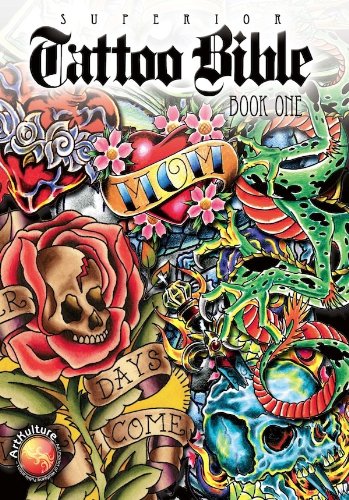
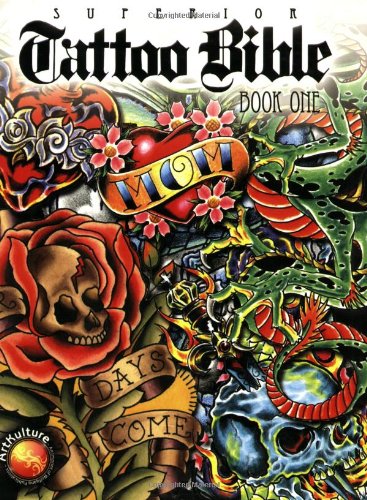
Whether you are preparing for your first tattoo or your twenty-seventh, you need artwork and designs that are just-right. Tattoo Bible, authored by Superior Tattoo, provides well over 500 pieces of unique flash art - flash never before compiled into one single book.